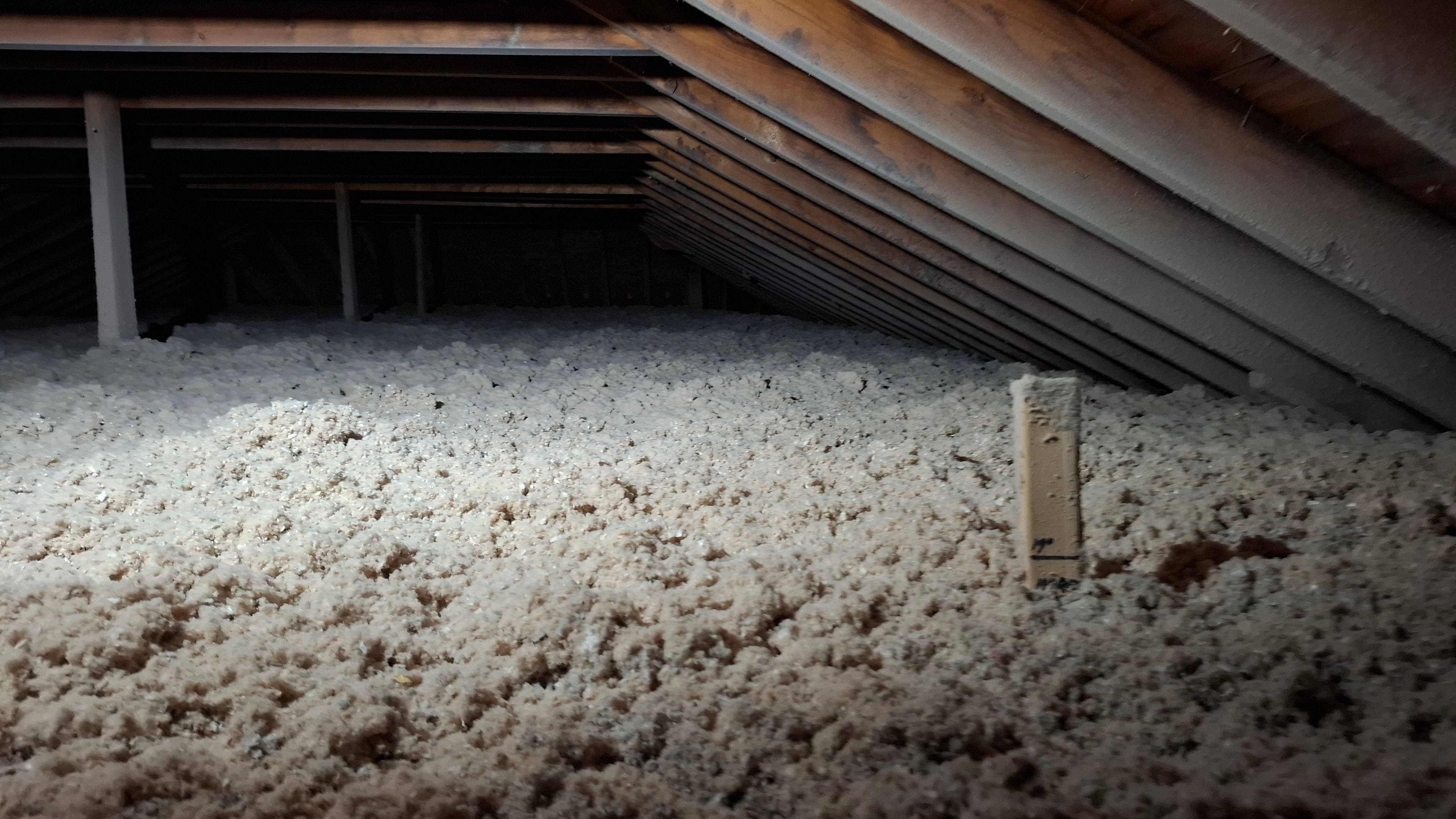
Attic Insulation in Ottawa: R60 Upgrades, Blown-In Cellulose & Attic Top-Ups
Most Ottawa attics are under-insulated. Whether your home was built in the 1970s or the early 2000s, there's a good chance the attic insulation has settled, degraded, or simply never met today's energy efficiency recommendations. This guide covers everything you need to know before booking an attic insulation upgrade — R-values, material choices, the top-up process, and what HCGEOT does on a typical job.
What Is an R-Value and Why Does It Matter?
R-value measures thermal resistance — how well a material slows the transfer of heat. The higher the R-value, the better the insulation performs. In Ottawa's climate zone, Natural Resources Canada recommends attic insulation of at least R-50 to R-60 for existing homes. New construction is typically built to R-60 or higher.
Here's a practical comparison of common attic insulation levels:
- R-20 to R-30
- Common in homes built before the 1990s. Significantly below current recommendations. Homeowners typically notice cold spots, high heating bills, and ice dams in winter.
- R-40
- An improvement, but still below the recommended minimum for Ottawa. Often found in homes that received a partial top-up years ago.
- R-50
- Meets the lower end of current recommendations. Acceptable for many homes, but R-60 is preferred for Ottawa's climate.
- R-60
- The current benchmark for Ottawa attics. Provides strong thermal performance year-round and is the target HCGEOT aims for on most residential jobs.
To check your current R-value, measure the depth of your existing insulation. Blown-in cellulose provides roughly R-3.5 to R-3.8 per inch at settled depth; fiberglass blown-in provides roughly R-2.2 to R-2.5 per inch. A 12-inch layer of settled cellulose is approximately R-42 to R-46 — below the R-60 target. A 17-inch layer gets you to approximately R-60.
Blown-In Cellulose vs. Blown-In Fiberglass: Which Is Better for Ottawa Attics?
Both materials are installed using a blowing machine and hose, and both are appropriate for Ottawa attics. The differences come down to density, air resistance, and long-term performance.
Blown-In Cellulose
Cellulose is made from recycled paper fibre treated with borate-based fire retardant. It installs at a higher density than fiberglass, which gives it better resistance to air movement through the insulation layer. This matters in Ottawa's cold winters, when wind-washing — cold air infiltrating through low-density insulation — can significantly reduce effective R-value.
Cellulose also settles over time. Installers account for this by installing to a higher initial depth (the "installed depth") so that the settled depth meets the target R-value. Depth rulers placed in the attic allow homeowners and inspectors to verify coverage after settling.
HCGEOT uses Greenfiber Sanctuary blown-in cellulose on most residential attic jobs. It is a low-dust, high-density product that installs cleanly and settles predictably.
Blown-In Fiberglass
Fiberglass blown-in installs at a lower density and provides a lower R-value per inch than cellulose. It does not settle as much, but it is more susceptible to wind-washing in poorly air-sealed attics. Fiberglass is sometimes preferred in attics with moisture concerns, as it does not absorb water the way cellulose can if a roof leak occurs.
For most Ottawa residential attics, blown-in cellulose is the preferred choice. For attics with known moisture issues or specific ventilation constraints, fiberglass may be recommended after an assessment.
What Is an Attic Insulation Top-Up?
An attic insulation top-up means adding new insulation on top of existing insulation to bring the total depth up to the target R-value. It is the most common attic insulation job HCGEOT performs — most Ottawa homes have some insulation already, but not enough.
A top-up is appropriate when:
- Existing insulation is in good condition (no moisture damage, mould, or pest contamination)
- There is no asbestos-containing material present (see the note on vermiculite below)
- The attic has adequate ventilation and no active moisture issues
When existing insulation is damaged, contaminated, or contains hazardous materials, it must be removed before new insulation is installed. HCGEOT handles full removal and reinsulation as a complete scope of work.
Air Sealing: The Step Most Contractors Skip
Air sealing is the process of closing gaps, penetrations, and bypasses in the attic floor — the boundary between your living space and the attic. Common air leakage points include:
- Gaps around electrical boxes, pot lights, and wiring penetrations
- Openings around plumbing stacks and exhaust fans
- Gaps at the top of interior partition walls
- Attic hatch frames and pull-down stair assemblies
Without air sealing, warm moist air from the living space rises into the attic, reducing the effective R-value of the insulation and contributing to moisture accumulation and frost in winter. Air sealing before insulation installation significantly improves the thermal performance of the finished job.
The attic hatch itself is often overlooked. A standard plywood hatch with no insulation or weatherstripping is a significant thermal weak point. HCGEOT installs insulation on the back of the hatch and adds weatherstripping to the frame as part of a complete attic insulation job.
Soffit Ventilation and Attic Baffles
Proper attic ventilation requires unobstructed airflow from the soffit vents at the eaves to the ridge vent or roof vents at the peak. Without ventilation baffles (also called rafter baffles or wind baffles), blown-in insulation can block the soffit vents, cutting off the airflow that prevents moisture buildup and ice dams.
HCGEOT installs ventilation baffles at all eave bays before blowing in insulation. This creates a clear channel between the insulation and the roof deck, maintaining airflow from soffit to ridge regardless of insulation depth. On jobs where the existing insulation has already blocked the soffits, the baffles are installed first and the existing insulation is redistributed or supplemented.
Retaining barriers are also installed at the eave line to prevent insulation from migrating into the soffit cavity over time.
HCGEOT's Typical Attic Insulation Process
Here is what a standard attic insulation top-up looks like when HCGEOT is on the job:
- Attic assessment: We inspect existing insulation depth and condition, check for moisture, assess ventilation, and identify any air sealing work required.
- Air sealing: Gaps around electrical boxes, plumbing penetrations, partition wall tops, and the attic hatch are sealed before insulation is installed.
- Baffle installation: Ventilation baffles are installed at all eave bays to maintain soffit-to-ridge airflow. Retaining barriers are constructed at the eave line.
- Blown-in installation: Greenfiber Sanctuary cellulose is blown in to the target installed depth, accounting for settling. Depth rulers are placed throughout the attic to allow verification of coverage.
- Attic hatch: Insulation is installed on the back of the hatch and weatherstripping is added to the frame.
- Final check: Coverage is verified against depth rulers. Ventilation pathways are confirmed clear.
For a real-world example of this process, see HCGEOT's Osgoode attic restoration project, where Stage 2 involved installing Greenfiber Sanctuary blown-in cellulose to approximately R60 across a full 1,300 sq ft attic footprint following vermiculite abatement.
A Note on Vermiculite Insulation
If your attic contains vermiculite insulation — a grey, pebble-like material that was commonly used in Ottawa homes built before the mid-1980s — do not disturb it or add insulation on top of it without first having it assessed. Vermiculite from the Libby, Montana mine (the dominant North American source until 1990) is associated with asbestos contamination. If testing confirms asbestos-containing material, the vermiculite must be removed by a licensed abatement contractor under Ontario Regulation 278/05 before any insulation work can proceed.
HCGEOT handles the full scope — vermiculite removal and attic reinsulation — as a single contractor. You do not need to coordinate separate trades.
Frequently Asked Questions
How do I know if my attic needs more insulation?
The simplest check is to measure the depth of your existing insulation. If you have less than 14 to 16 inches of blown-in cellulose, or less than 20 inches of blown-in fiberglass, your attic is likely below R-50. Other signs include high heating bills, cold ceilings on the top floor, ice dams forming at the eaves in winter, and uneven temperatures between floors.
Can I add insulation on top of my existing insulation?
In most cases, yes — provided the existing insulation is dry, undamaged, and does not contain hazardous materials. A top-up is typically more cost-effective than full removal and replacement. HCGEOT will assess the existing insulation condition before recommending a top-up or full replacement.
How long does an attic insulation top-up take?
Most residential attic top-ups are completed in a single day. Larger attics or jobs requiring significant air sealing work may take longer. HCGEOT will provide a timeline estimate as part of the quote.
Does attic insulation help with ice dams?
Yes. Ice dams form when heat escaping through a poorly insulated attic melts snow on the roof, which then refreezes at the cold eaves. Improving attic insulation and air sealing reduces heat loss through the roof deck, which is the primary cause of ice dams. Proper soffit ventilation also plays a role in keeping the roof deck cold and uniform.
What R-value should I aim for in Ottawa?
Natural Resources Canada recommends R-50 to R-60 for attics in Ottawa's climate zone. HCGEOT targets R-60 on most residential jobs as it provides strong long-term performance and aligns with current building practice for new construction in the region.
Is blown-in cellulose safe?
Yes. Blown-in cellulose is made from recycled paper fibre treated with borate-based fire retardant. It is non-toxic, non-irritating compared to fiberglass, and has been used in residential attics across North America for decades. The borate treatment also provides resistance to mould and insects.
Do I need to be home during the installation?
Access to the attic hatch is required, but homeowners do not need to be present throughout the job. HCGEOT will confirm access requirements when scheduling.
Will new insulation reduce my energy bills?
Improving attic insulation from below R-30 to R-60 can meaningfully reduce heating and cooling costs, particularly in older Ottawa homes where the attic is a significant source of heat loss. The actual savings depend on your home's construction, heating system, and existing air sealing. HCGEOT does not quote specific savings figures, as these vary considerably between homes.
Ready to upgrade your attic insulation? Contact HCGEOT for a free onsite estimate in Ottawa and Eastern Ontario. You can also reach us directly at 613-218-6109 or by email at info@hcgeot.ca.
Learn more about HCGEOT's attic insulation services in Ottawa, or explore our completed project portfolio to see our work firsthand.
Need Help with Your Ottawa Home?
Contact HCGEOT for a free onsite estimate. We serve all of Ottawa and surrounding areas.
Related Articles
Why should you check your attic insulation?
Proper insulation plays a vital role in maintaining your home's comfort and energy efficiency. One of the most important areas to insulate is your attic.
Attic InsulationAttic Insulation Ottawa
Did you know that up to 40% of a home's heat loss can occur through a poorly insulated attic? In Ottawa's cold winters and hot summers, proper attic insulation is one of the most cost-effective ways to improve comfort and cut energy bills.